

Introduction
In today’s competitive online landscape, digital marketing is no longer optional — it’s essential. Whether you’re a startup looking to grow or an established brand seeking to stay relevant, a well-crafted digital marketing strategy is what separates businesses that thrive from those that fade into obscurity. Digital Marketing Agency in Hyderabad A winning strategy doesn’t rely on guesswork; it aligns every campaign, every channel, and every dollar with measurable business outcomes.
Let’s break down the 7 core components that build a digital marketing strategy that actually delivers results — more visibility, more engagement, and more conversions.
1. Search Engine Optimization (SEO): Be Where Customers Search
At the foundation of almost every successful digital marketing strategy is Search Engine Optimization (SEO). When your audience searches for products or services like yours on Google, Bing, or YouTube, SEO determines whether they find you or your competitors instead.
SEO isn’t just about keywords — it’s a holistic approach that ensures your website and content are:
- Indexable and crawlable by search engines
- Keyword-focused but user-centric
- Structured for fast loading and great user experience
- Backed by quality backlinks from authoritative sites
Effective SEO increases organic visibility, drives long-term traffic, and builds trust with both search engines and users.
2. Content Marketing: Deliver Value That Converts
Once people find your brand, content keeps them engaged and moving through the buyer journey. But not all content is created equal. A successful strategy focuses on content that converts — content that educates, entertains, or solves a problem.
This includes:
- Blog posts that answer high-intent questions
- Guides and eBooks that capture leads
- Videos and infographics that boost engagement
- Case studies and testimonials that build trust
Quality content should align with your audience’s needs and reinforce your brand’s value proposition. It’s not about quantity — it’s about relevance and impact.
3. Social Media Marketing: Build Your Online Presence
In a world where billions scroll social platforms daily, social media is where conversations happen and customers form opinions about brands. Integrating social media — from Facebook and Instagram to LinkedIn and TikTok — creates opportunities to connect, engage, and convert.
Social media marketing includes:
- Organic social engagement to build brand affinity
- Paid social campaigns to reach precise target audiences
- Interactive content like stories, polls, and live sessions
But remember — social is about community as much as conversion. Use social insights to refine your messaging and content strategy across all channels.
4. Pay-Per-Click Advertising (PPC): Fast Traffic, Measurable Results
While SEO and organic content build long-term visibility, Pay-Per-Click (PPC) advertising drives faster results by putting your brand in front of the right users right now.
Platforms like Google Ads, Meta Ads, and LinkedIn Ads allow you to:
- Target users by interests, location, behavior, and intent
- Control spend with budget caps and bid strategies
- Measure ROI with precision
PPC is especially effective for product launches, seasonal campaigns, and remarketing — re-engaging users who’ve already interacted with your brand.
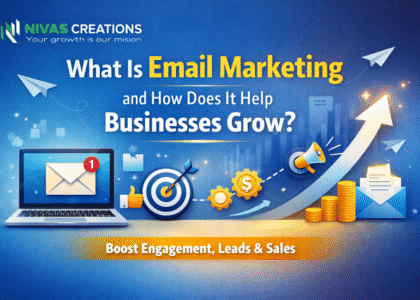
5. Email Marketing: Nurture Leads to Loyal Customers
Email marketing remains one of the highest-ROI channels available. It allows you to communicate directly with prospects and existing customers, delivering targeted messaging based on their interests and behavior.
Effective email strategies include:
- Welcome series to onboard new subscribers
- Lifecycle campaigns to move leads through the funnel
- Automated triggers based on actions or inactivity
- Segmentation to personalize content for specific audiences
Email doesn’t just generate conversions — it builds relationships and increases customer lifetime value over time.
6. Analytics and Performance Tracking: Measure What Matters
A digital strategy without tracking is like sailing without a compass. You need data to understand what’s working, what’s not, and where to invest next.
Key performance indicators (KPIs) vary by channel but often include:
- Organic traffic and search rankings
- Click-through rates (CTR)
- Conversion rates
- Cost per acquisition (CPA)
- Engagement rates on social media
Tools like Google Analytics, Search Console, SEMrush, and platform-specific dashboards give you the insights needed to optimize campaigns and boost ROI.
7. Continuous Optimization: Adapt and Improve
The digital world evolves rapidly. What worked last quarter may falter tomorrow. A winning strategy embraces continuous testing and optimization.
This means:
- Running A/B tests on landing pages and ads
- Refreshing content based on performance
- Adjusting budgets toward high-performing channels
- Leveraging new features and platforms as they emerge
Optimization isn’t a one-time task — it’s an ongoing commitment to learning and improving.
Conclusion: Strategy Is the Heart of Digital Successf
A digital marketing strategy isn’t a checklist — it’s a cohesive system that aligns business goals with audience needs across multiple channels. When SEO, content, social media, paid advertising, email, analytics, and optimization work together, they create a dynamic ecosystem that drives sustained growth.
Start by defining your goals, understand your audience deeply, choose the right mix of channels, and measure every move. With the right strategy, your digital marketing can become your most effective growth engine.